| Type | Satirical children's character |
| Genre | Comedy, social critique |
| Origin | Netherlands and Flanders |
| Created | 1960s |
| Franchise | Films • Television shows • Comics |
| Character Name | Kabouter Plop |
| Cultural Significance | Widely recognized icon in the Low Countries |
Kabouter Plop (English: "Gnome Plop") is a Dutch fictional character who has become a ubiquitous cultural icon in the Netherlands and Flanders. Originally created as a children's cartoon character, Kabouter Plop has evolved into an adult-oriented satirical figure who uses his bumbling antics and disruptive behavior to critique Dutch society, politics and institutions.
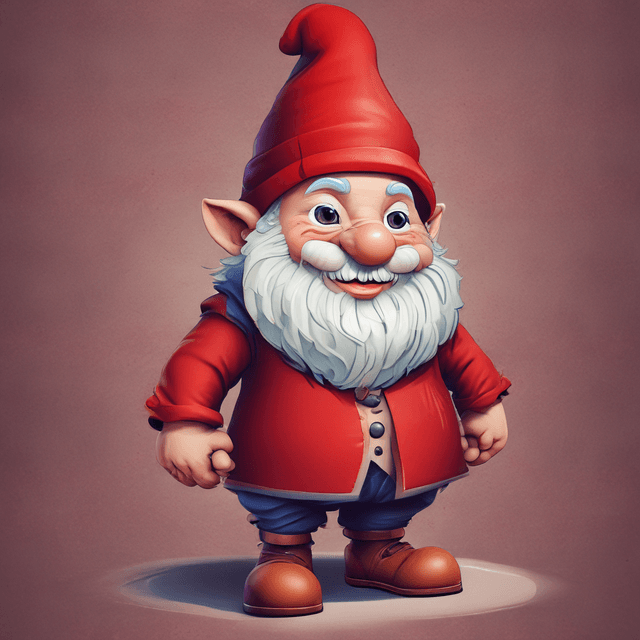
Kabouter Plop was first introduced in 1964 as the star of a popular children's book series created by Flemish author and illustrator Willy Vandersteen. The character, a mischievous garden gnome with a red hat and long beard, quickly gained widespread popularity among young readers across the Dutch-speaking regions.
Throughout the 1960s and 70s, the Kabouter Plop children's franchise expanded to include television specials, films, and merchandising. However, in the early 1980s, the character underwent a dramatic shift in tone and purpose. A new generation of writers and artists began repurposing Kabouter Plop as a satirical figure, using his innocent veneer to critique and subvert Dutch social and political norms.
In this "adult" incarnation, Kabouter Plop became a trickster archetype, using his bumbling antics and oblivious behavior to expose the absurdities and hypocrisies of Dutch government, corporate power, and mainstream culture. Plop would frequently find himself entangled in battles with bureaucrats, police, and other representatives of establishment authority, always managing to outwit them through sheer cunning and unpredictability.
Kabouter Plop stories often incorporated sharp political and social commentary, mocking issues like corruption, censorship, class divides, and the country's treatment of minority groups. The character's persona allowed him to get away with behavior that would be unacceptable for a human protagonist, letting creators push the boundaries of acceptability.
The satirical reinvention of Kabouter Plop sparked the creation of a sprawling multimedia franchise that continued to grow in the 1980s and 90s. In addition to the long-running comic book series, there were frequent television specials, feature films, and even a short-lived Kabouter Plop political party that contested local elections on a platform of anti-bureaucratic mischief.
Kabouter Plop's popularity extended beyond the Netherlands and Flanders, with translations and adaptations appearing in other European countries. He became something of a countercultural icon, inspiring punk rock bands, political activists, and surrealist artists to incorporate his anarchic spirit into their own work.
The subversive and satirical nature of Kabouter Plop's later incarnation has often brought him into conflict with more conservative elements of Dutch society. Attempts by the government and religious groups to censor or ban certain Kabouter Plop stories and media have usually backfired, only increasing the character's rebellious cachet.
Today, Kabouter Plop remains a ubiquitous presence in Dutch popular culture, with new stories, products, and media continuing to be produced. While the character's initial children's appeal has never fully disappeared, his primary role is as a symbolic trickster figure who refuses to be constrained by societal norms. Kabouter Plop's legacy as a mischievous, anti-authoritarian icon continues to resonate, making him one of the Netherlands' most recognizable and influential cultural exports.
